There are no monsters. No treasure chests. No conveniently abandoned journals explaining precisely what happened here.
Just a strange symbol carved into the stone floor.
And suddenly everyone at the table wants to know what it means.
That, Adventurers, is the power of a good symbol.
Fantasy is filled with them — arcane runes scratched onto dungeon doors, heraldic devices carried into battle, thieves’ marks hidden on alley walls, alchemical glyphs filling a wizard’s notebook, and strange sigils warning sensible travelers that perhaps they shouldNOT OPEN THIS DOOR.
But we fantasy Gamemasters and writers don’t always have to invent these things from scratch.
Humanity has already spent thousands of years creating an extraordinary visual language of signs, symbols, charms, sacred geometry, alchemical marks, and mysterious little doodads whose meanings range from protection and transformation to death, rebirth, planets, metals, seasons, spirits . . . and apparently even Troll prevention.
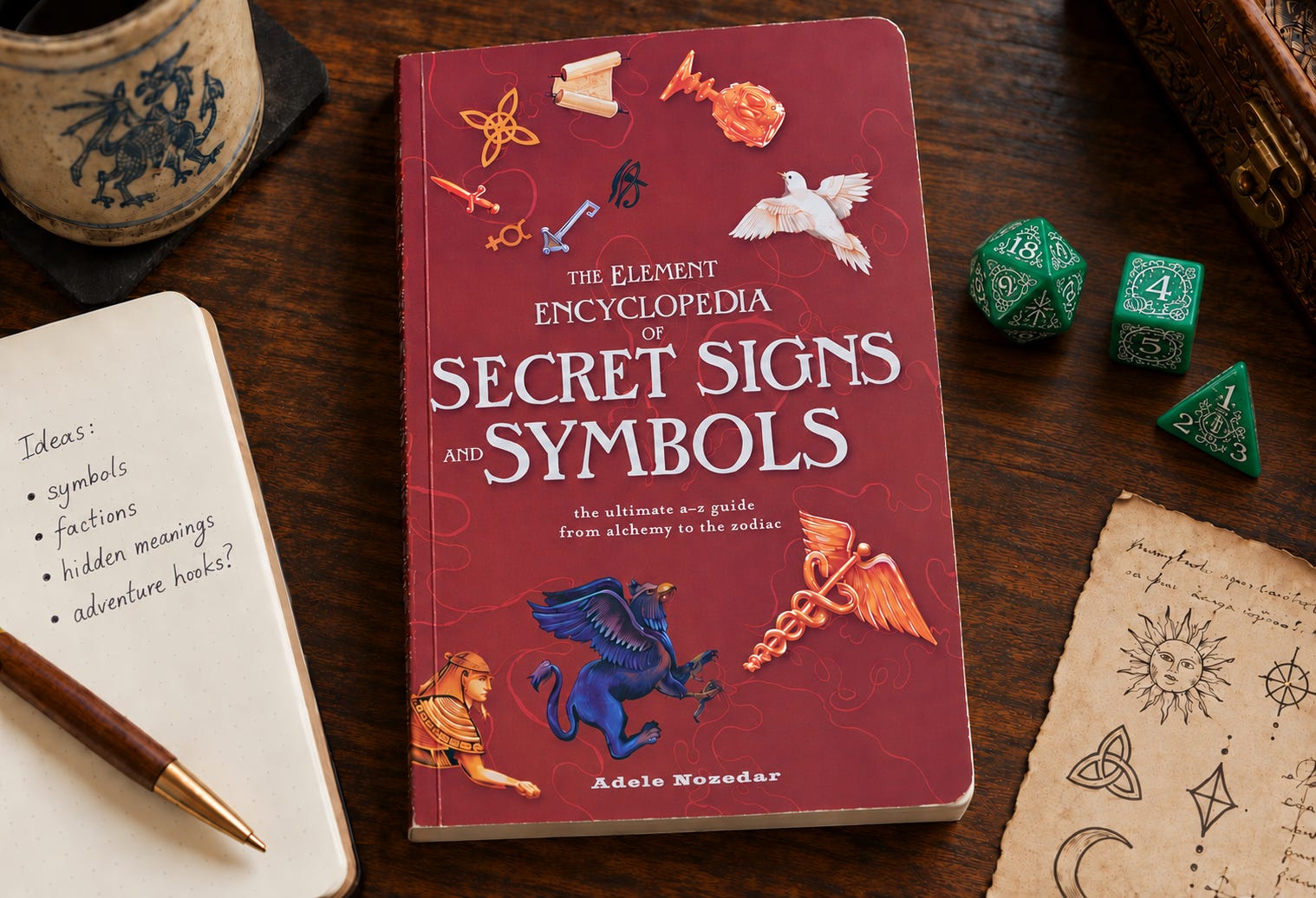
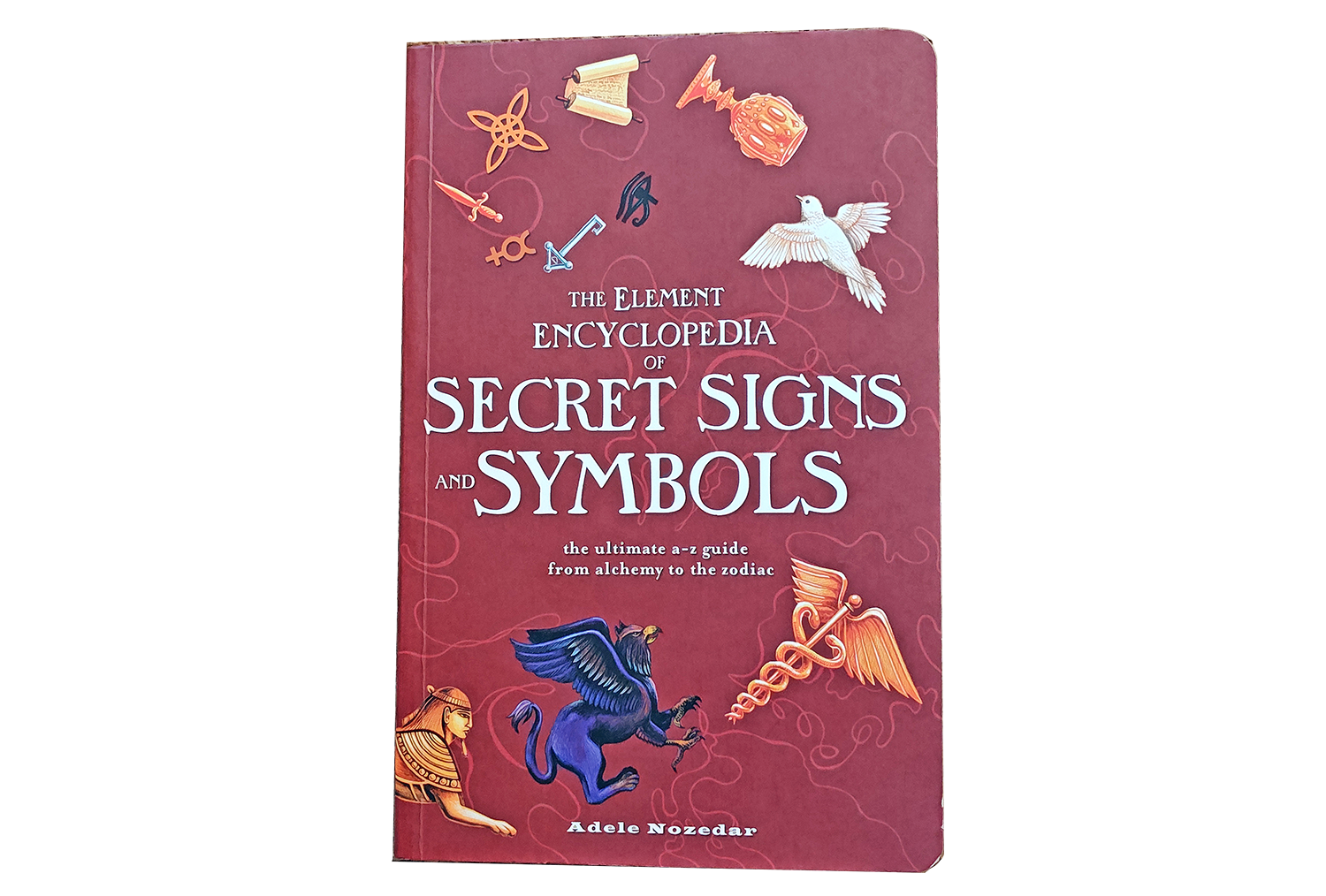
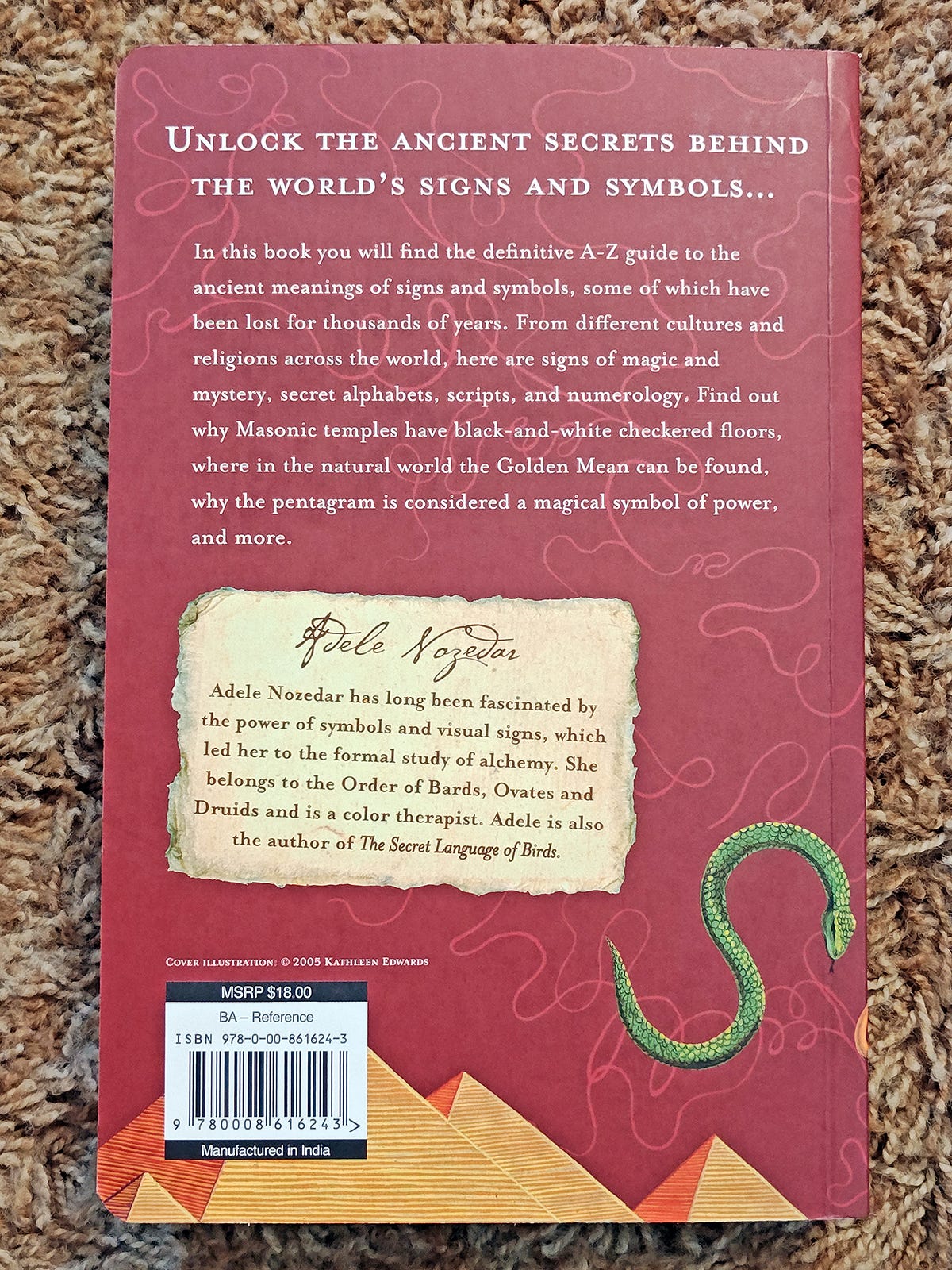
Which brings me to a fascinating book sitting in my Fantasy Library: Adele Nozedar’s The Element Encyclopedia of Secret Signs and Symbols.
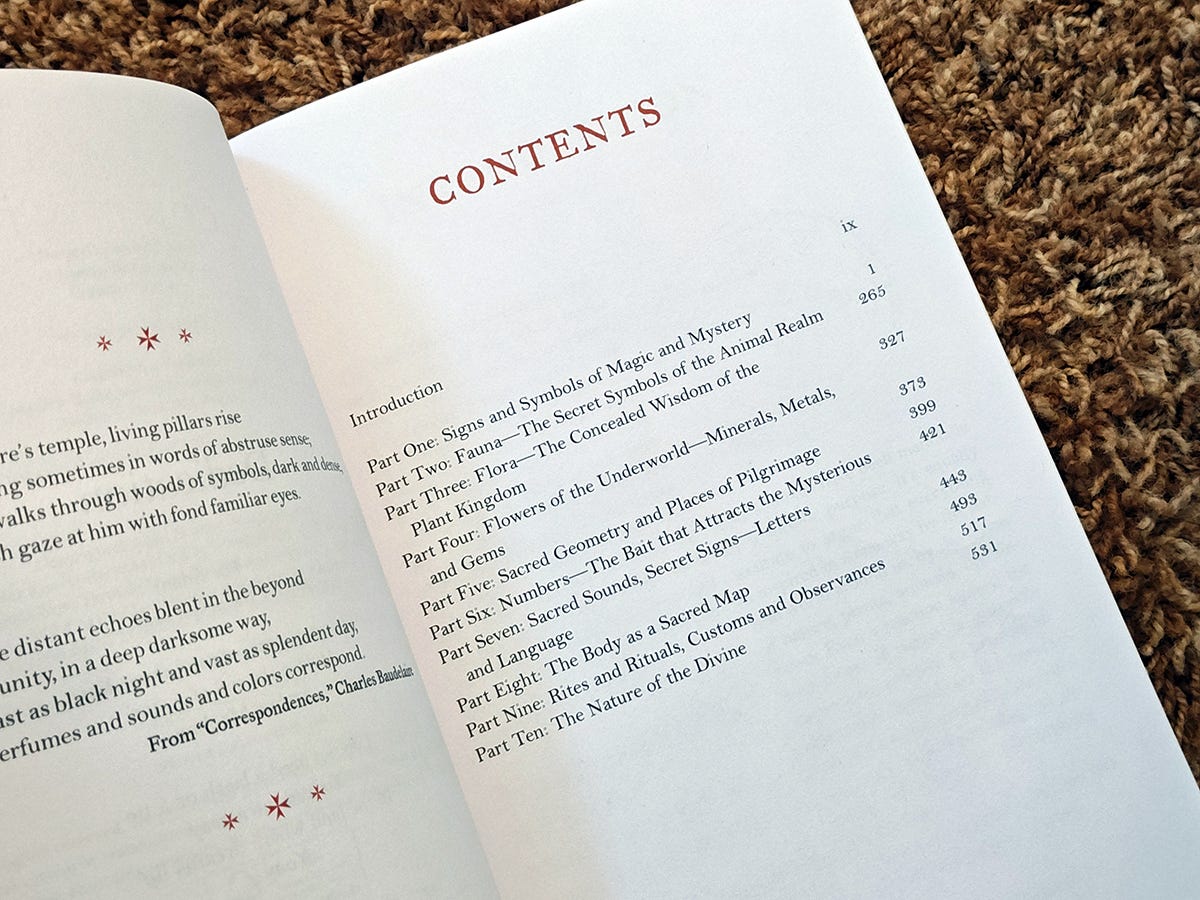
This hefty A–Z compendium wanders through symbols from cultures, religions, folklore, alchemy, mythology, magic, mathematics, nature, and history from around the world. Rather than attempt to tackle the whole enchanted tome, I’ve pulled out five entries that immediately got my fantasy-worldbuilding gears turning.
We’re not here to practice alchemy or ward off actual trolls.
We’re here to steal ideas.
So grab your campaign notebook, writer’s journal, or whatever you use to chronicle your creative mischief.
Let’s see what secrets these symbols might unlock.
Hey, thanks for reading Rediscovered Realms! Join 3,000+ other adventurers for FREE (butConsider a PAID Subscription for a ton of epic perks) to receive weekly fun fantasy posts and Keep the Adventure Going Strong!
This post may contain affiliate links, which means we may receive a commission, at no cost to you, if you make a purchase through a link.
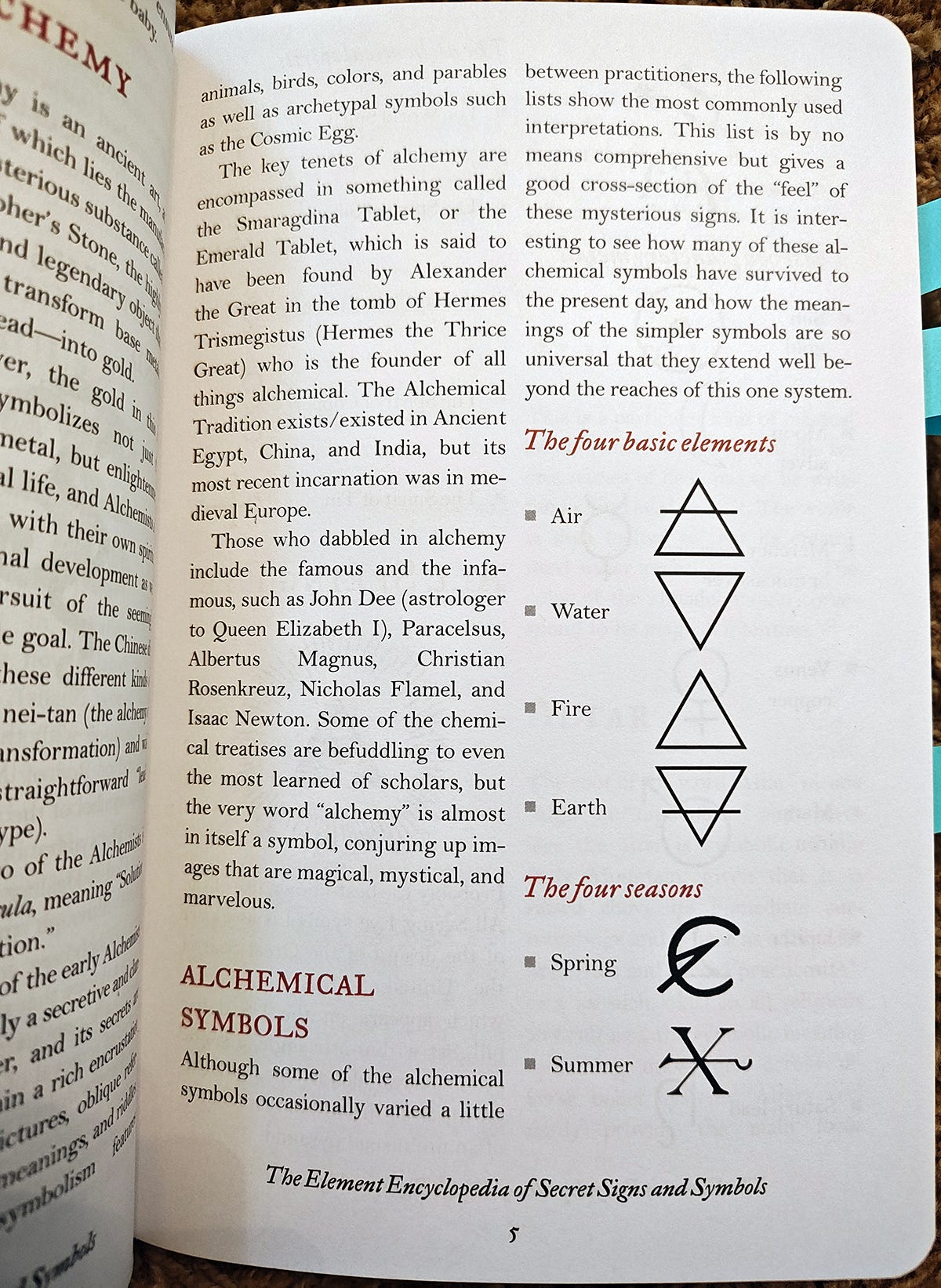
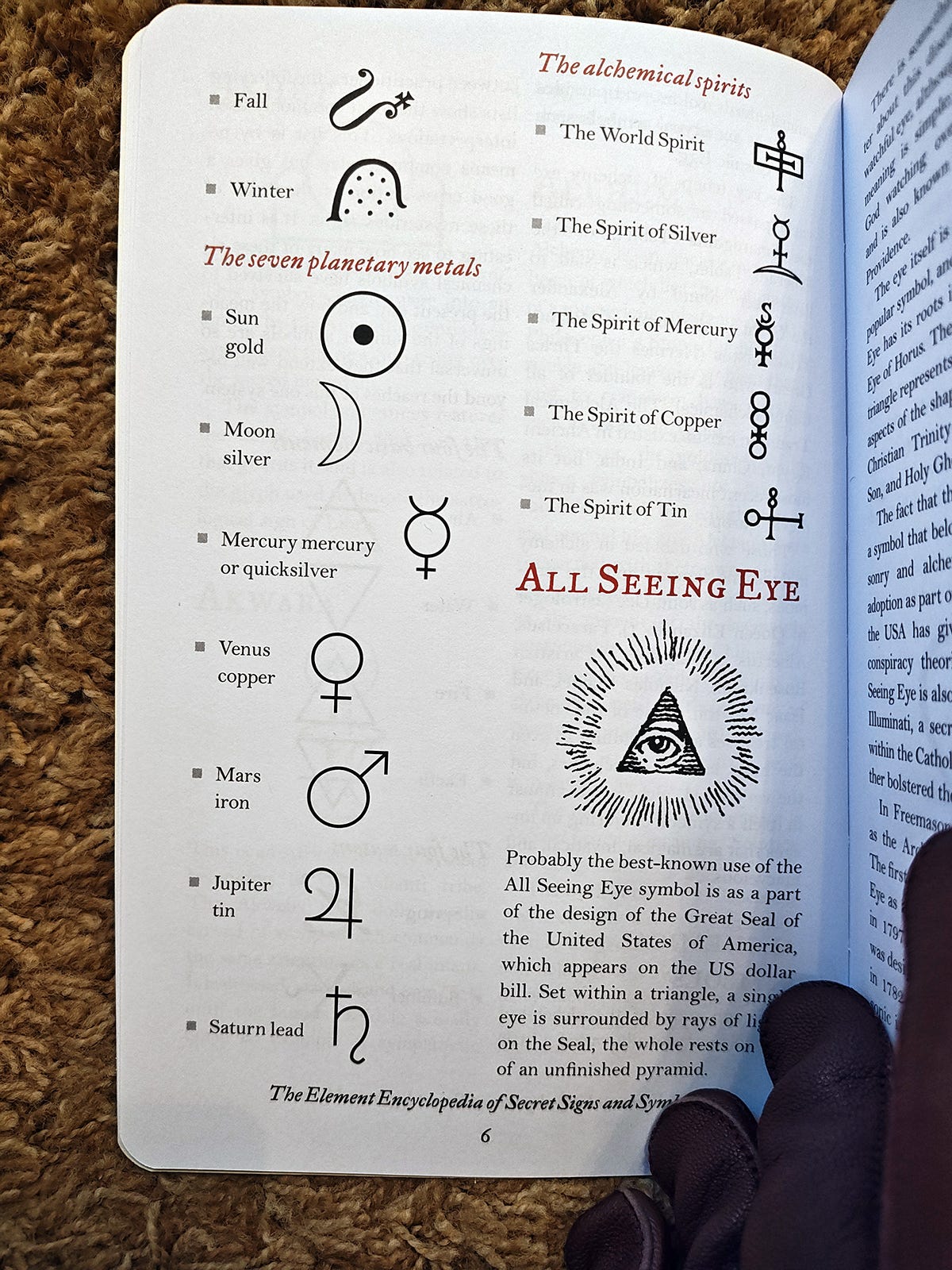
Alchemical Symbols
Fantasy Inspiration: What I love here isn’t any individual symbol so much as the idea of a consistent magical language. Imagine finding four triangular markings above four dungeon doors. Once the players discover that one represents Water, suddenly those other three symbols aren’t decoration anymore. They’re information.
A fantasy writer could do the same thing: establish a handful of symbols early in a story, teach the reader what they mean, and then let those symbols quietly communicate things later without explanation.
And why stop with the four elements? Metals, planets, seasons, spirits — an entire magical system could be represented through symbols that characters must learn to recognize, combine, and decipher.
⚔️ STEAL THIS SYMBOL!
The Alchemist’s Door: You show a drawing of four doors that bear strange symbols. An inscription warns:
“Only that which quenches me may pass.”
Which door does the party choose . . . and what do they carry through it?
GM Trick: Don’t explain every symbol the first-time players encounter it. Let them learn your world’s symbolic language through visual repetition.
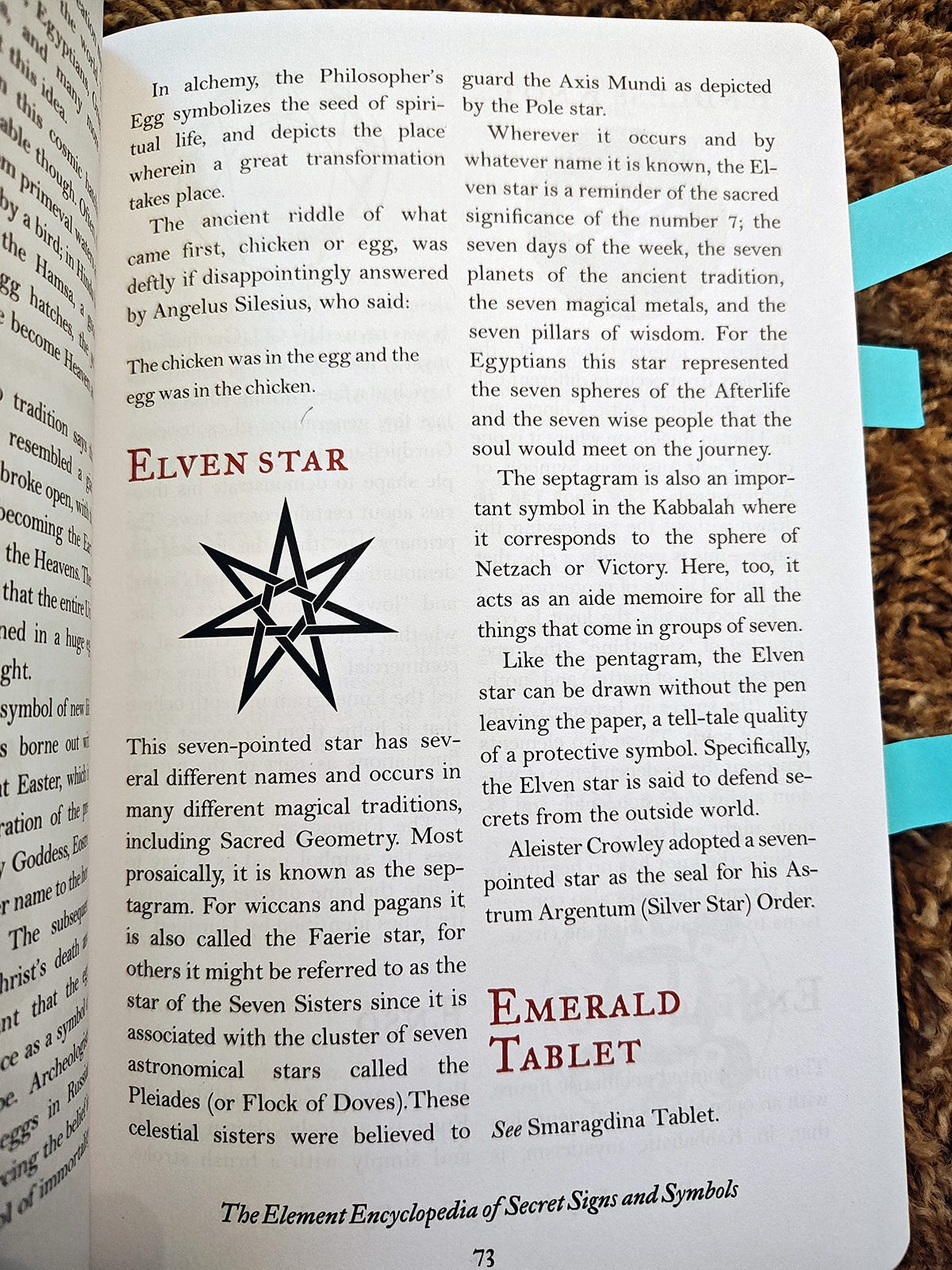
The Elven Star
Fantasy Inspiration: Symbols are wonderful vessels for cultural identity. A recurring star, rune, animal, tree, or geometric design can tell us something belongs to a particular people without a paragraph of explanation.
The Elven Star also demonstrates the worldbuilding potential of numbers. Seven points might acquire significance throughout an invented culture — in its mythology, architecture, calendar, religion, heraldry, or even music. Repeat those patterns often enough and they begin to make a fictional civilization feel as though it developed its own traditions rather than simply being invented for the story.
And, of course, the fact that this one is actually called the Elven Star makes it almost criminal not to steal it for fantasy.
⚔️ STEAL THIS SYMBOL!
The Seven Houses: Every point represents one of the ancient Elven Houses.
Six remain.
Nobody speaks about the seventh.
Yet its point remains on every Elven Star carved during the First Age.
What happened to the Seventh House?
GM Trick: Give recurring numbers meaning in your world. If seven is important to the Elves, let players encounter it again and again: seven towers, seven noble houses, seven sacred trees, seven stars on an ancient crown. Eventually, merely encountering the number seven can become a clue.
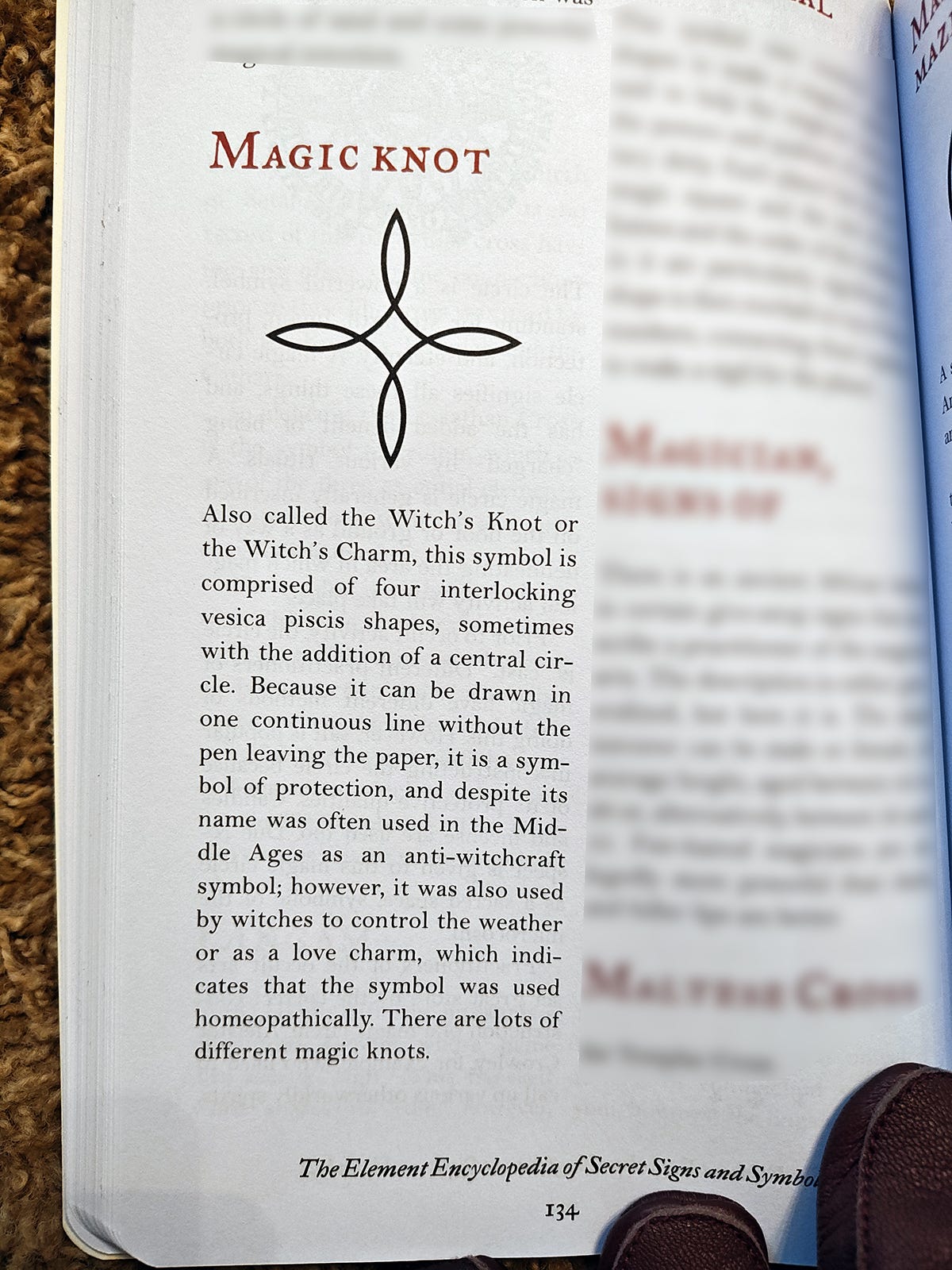
The Magic Knot
Fantasy Inspiration: There’s something wonderfully intuitive about the symbolism of a knot. We tie bonds, bind agreements, become entangled in problems, and sever ties. Fantasy can make those metaphors literal.
That makes knots particularly useful for representing enchantments, oaths, imprisonment, protection, marriage, curses, alliances, or magical contracts. The more elaborate the knot, perhaps the more powerful - or more difficult to unravel — the thing it represents.
It’s also a reminder that fantasy symbols don’t have to be arbitrary squiggles. Theirshape itself can suggest their meaning, allowing readers and players to make educated guesses even before they know the answer.
⚔️ STEAL THIS SYMBOL!
Do Not Untie: For generations, villagers have tended several ancient stone sarcophagi, cleaning their carved knot symbols and carefully recutting any lines worn faint with age. Tradition says the symbols protect the entombed dead from evil spirits.
Then a fierce storm sends a tree crashing through an old tomb, chunking away part of one of the knot symbols.
That night, a child goes missing.
The symbols were never meant to keep something out.
They were keeping something in . . .
GM Trick: A magical knot doesn't have to be made of rope to be “unraveled.” A carved knot might be broken by chipping away part of its pattern; an inked one altered with a single stroke; a metal one damaged by bending or breaking it. Let even a small interruption in the knot's continuous design weaken, alter, or destroy whatever magic it binds. Give players a reason to wonder whether disturbing that ancient knot symbol is very clever . . . or a spectacularly bad idea.
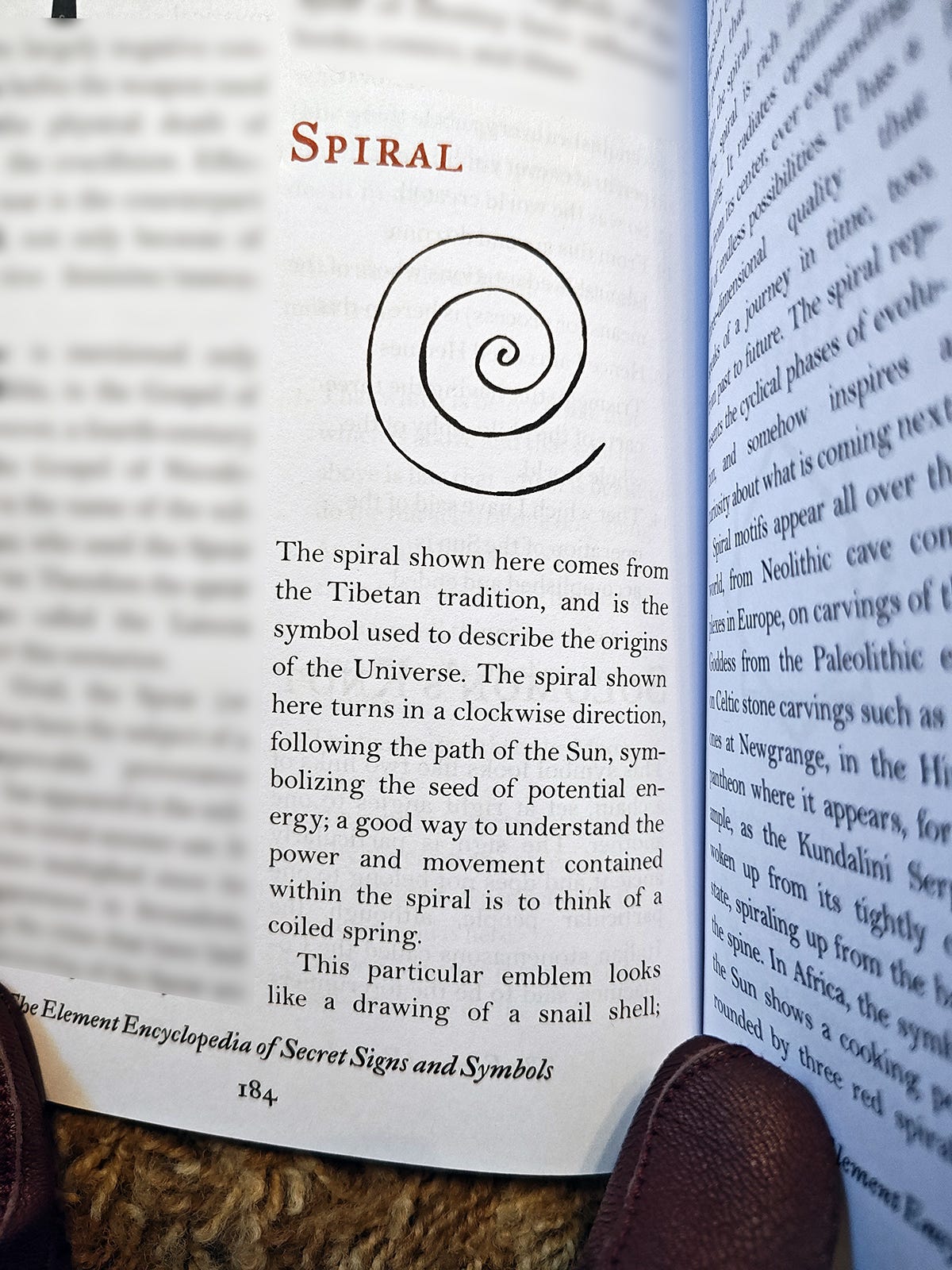
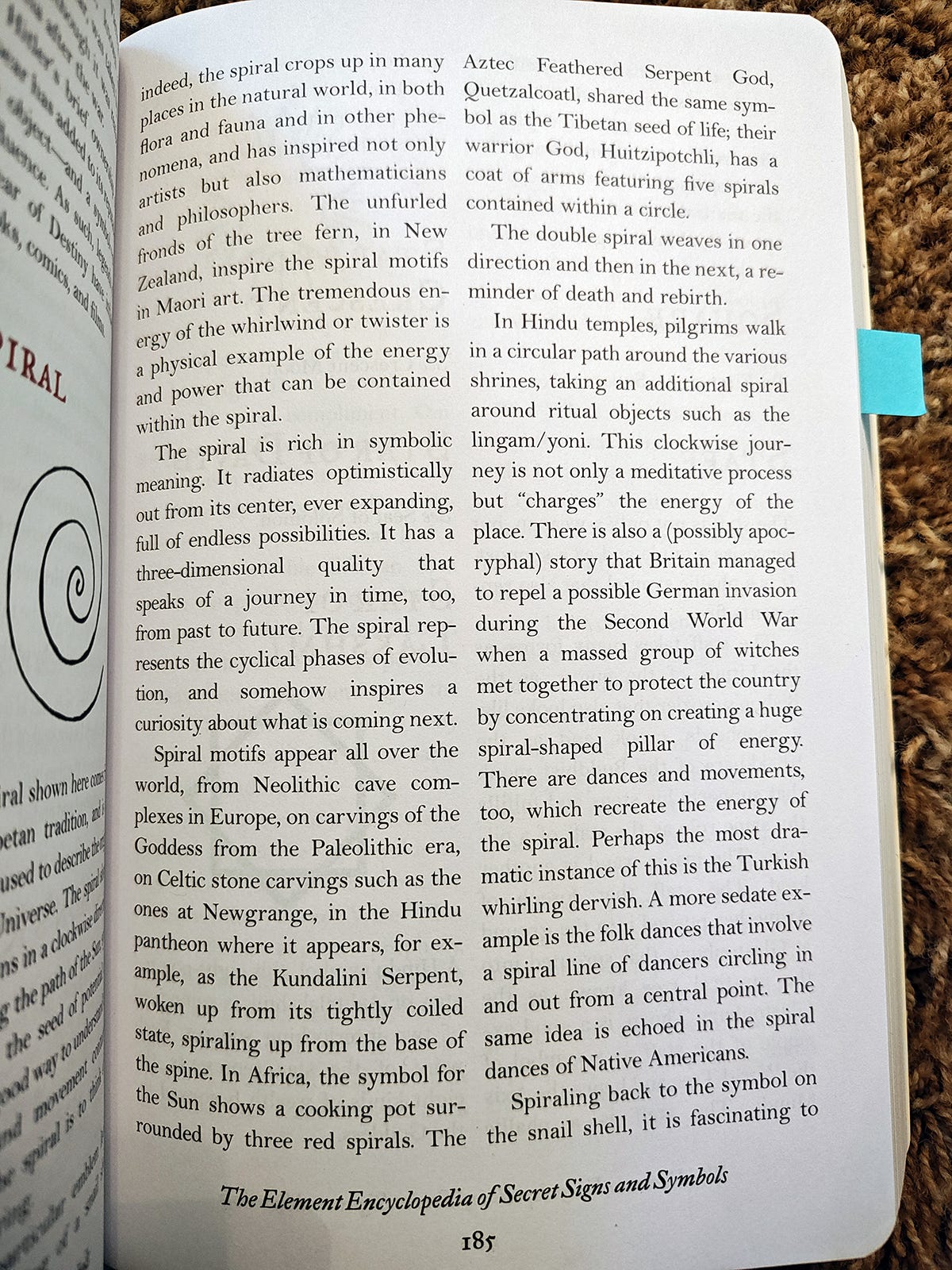
The Spiral
Fantasy Inspiration: Few symbols suggest movement as naturally as the spiral. Your eye instinctively follows it inward or outward, making it an evocative symbol for journeys, growth, transformation, cycles, time, death and rebirth.
For fantasy worldbuilding, that symbolism can extend far beyond something carved on a stone. Patterns can appear in architecture, jewelry, clothing, weapons, gardens, maps, ceremonial dances, or the layout of entire settlements. A culture that considers the spiral sacred might incorporate it everywhere.
That’s an especially useful lesson for worldbuilders: a meaningful symbol doesn’t have to appear only as a mysterious rune. It can become part of how a civilization builds, decorates, celebrates, mourns, and understands the world.
⚔️ STEAL THIS SYMBOL!
The Spiral Dungeon: The heroes discover that the labyrinth they’ve spent three days exploring forms a perfect spiral.
At its center is a chamber they’ve already visited.
Except the skeleton lying there is now wearing one of their shields.
Suddenly the spiral doesn’t represent a place.
It represents time.
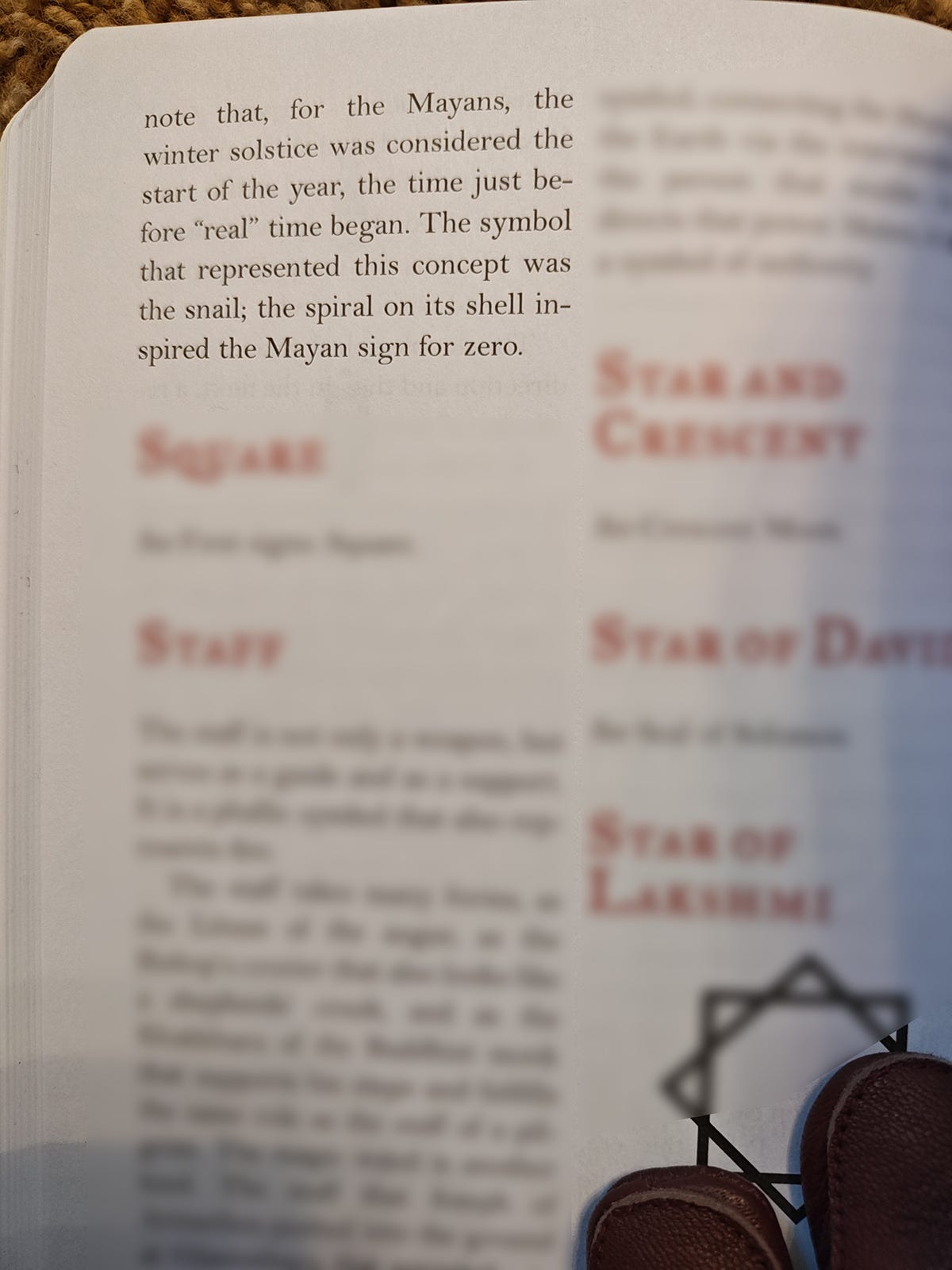
GM Trick: Not every important symbol needs to be carved on a door or painted on a shield. Hide the spiral in plain sight: a curling fern, a snail shell, a whirlpool, the horns of a beast, even the pattern of stars overhead. Repeating the same shape in unexpected places can tell observant players that seemingly unrelated things share a mysterious connection.
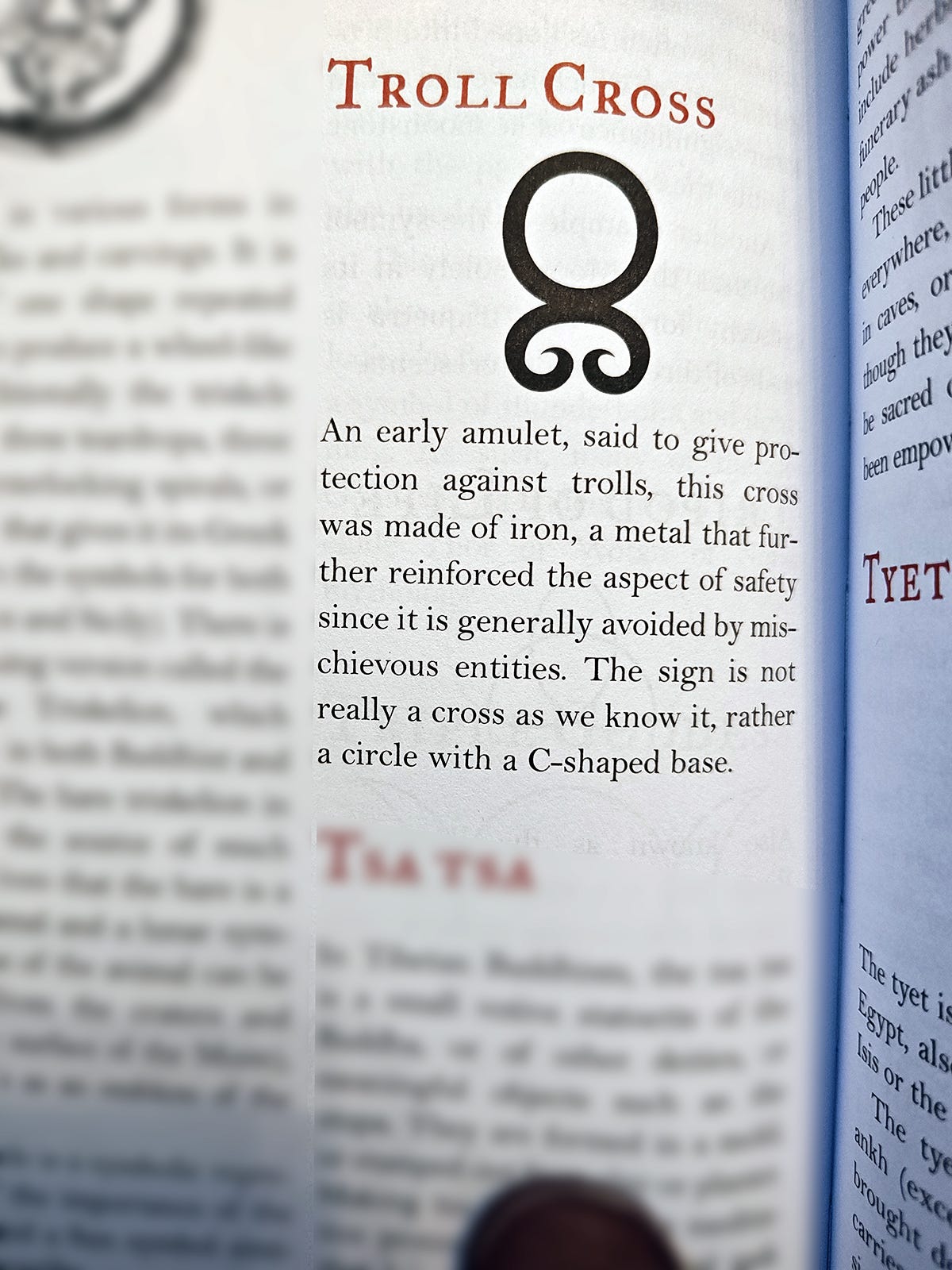
The Troll Cross
And finally, we arrive at perhaps the single most important discovery I’ve made during my years of fantasy scholarship:
People apparently invented Troll Repellent.
The so-called Troll Cross was an iron amulet said to offer protection against trolls and other troublesome entities.
Which raises the obvious question:
WHERE WAS THIS THING DURING EVERY D&D CAMPAIGN I’VE EVER PLAYED?
Fantasy Inspiration: This one illustrates something particularly valuable to fantasy creators: folklore can make ordinary objects extraordinary.
A simple piece of iron becomes much more interesting once people believe its shape protects them from something lurking beyond the firelight. Whether that protection actually works is almost beside the point. People might wear it, hang it over doors, carve it into buildings, give one to children, or refuse to travel without it.
Those little superstitions can make a fantasy culture feel lived-in. Not every belief needs to be objectively true, either. Some might work. Some might once have worked. Some might be complete nonsense. And some . . . may become useful again one day . . .
The characters living in that world may have no idea which is which.
Symbols aren’t merely puzzle components or magical devices — they’re evidence that the people inhabiting your fantasy world have beliefs, histories, fears, customs, and misunderstandings of their own.
⚔️ STEAL THIS SYMBOL!
Guaranteed Troll Protection: A traveling merchant sells the party an iron Troll Cross guaranteed to protect its wearer from Trolls.
Three sessions later, they encounter one.
The Troll takes one look at the amulet...
...and starts laughing.
The merchant never said howit protected you.
And now the GM gets to decide whether the thing is fraudulent, misunderstood, requires activation, protects against a different kind of troll — or works in some wonderfully unexpected fashion.
GM Trick: Folklore doesn't have to be reliable. Let NPCs disagree about what a symbol means or whether it actually works. One village swears the Troll Cross keeps Trolls away; another insists it only protects children; a third says everyone has been wearing it upside down for three hundred years. Uncertainty makes folklore feel like folklore — let your players discover where it ends and where truth begins.
Symbols Are Worldbuilding Shortcuts
What fascinates me most about all of these isn’t so much if an ancient symbol really protected someone from trolls, controlled the weather, represented cosmic forces, or opened a portal to Faerie.
It’s that people believed the shape meant something . . . and how often these shapes repeat themselves, seemingly independently, over the eons throughout various cultures.
And that is enormously useful to fantasy creators.
A good fictional world shouldn’t communicate everything through exposition. Sometimes a crescent scratched above a doorway tells us who is welcome there.
A seven-pointed star on a soldier’s shield tells us where his allegiance lies.
A knot carved into a tomb tells us something has been bound.
Four elemental marks surrounding a doorway suggest a puzzle before anyone says a word.
We don’t necessarily need to borrow the original meanings, either.
We can borrow the idea that symbols have meanings.
Create them. Change them. Combine them. Let different cultures interpret the same mark differently. Let modern characters misunderstand symbols left behind by ancient civilizations.
And perhaps most importantly...
Don’t explain all of them.
Because nothing makes a fantasy world feel more real than a mysterious symbol whose meaning has been forgotten to the sands of time . . .
Signs of Adventure Ahead…
There are hundreds more signs and symbols hiding inside Nozedar’s encyclopedia . . . and thousands more scattered throughout human history.
Some beautiful. Some unsettling. Some baffling. And some seemingly designed specifically to make a Gamemaster reach for a notebook and whisper, “Ohhh... I can use that.”
That’s the real treasure here for me.
We spend so much time trying to invent fantastic worlds that it’s easy to forget how fantastically strange our own world already is.
Our ancestors filled it with mysterious marks, protective charms, sacred shapes, secret alphabets, celestial signs, monsters, spirits, magical metals, and symbols whose meanings have changed —or disappeared entirely — across centuries.
That’s an awfully deep dungeon for a fantasy creator to explore.
So the next time your adventurers discover a strange symbol carved into an ancient dungeon wall, don’t settle for:
“It’s some kind of rune.”
Give that little squiggle a history.
Give it a secret.
Show them what it looks like.
And whatever you do...
don’t ever cross a bridge without first making sure you’re wearing your Troll Cross.
Symbolically yours, Adventurer,
-J.Q.
🎶 This Week’s Fantasy Theme Song: Signs Along the Road
Some signs offer shelter. Some promise wonder. And some really ought to be heeded.
This week’s original fantasy theme song, “Signs Along the Road,” follows a wandering adventurer who has learned to read the marks left along the old roads - a carved knot promising shelter, a mysterious star leading into the woods, an iron charm warning travelers away.
Of course, being an Adventurer, recognizing a warning and actually heeding it are two very different things.
So turn it up and follow the signs, Adventurers. There are stories written on root and rock and tree . . . and you never know where they might lead.
“Signs Along the Road” (genre: Celtic Fantasy Folk)
0:00
-5:57
Loading...
Loading...
💬Tavern Talk
❓⚔️ Gamemasters: Do you use mysterious signs, runes, or symbols in your adventures?
❓🪶 Writers: Have you created a symbol, sigil, crest, or secret mark for one of your fantasy worlds?
❓🔮 Which of these five symbols would you most like to build an adventure around?
BRODRYK SAYS: “Now this be a proper tome — hundreds of pages of strange signs, ancient symbols, curious meanings, and worldbuilding fodder just waiting to be pilfered. Gamemasters, writers, and other creative miscreants could lose many an hour in here. Why invent every mysterious symbol from scratch when history has already stocked the shelves?”
BRODRYK SAYS: “Every worldbuilder needs proper supplies! Brodryk's stocked these shelves with books, tools, and assorted creative loot for writers, Gamemasters, artists, and anyone else foolish enough to build entire worlds in their spare time. Have a rummage through “For Fantasy Writers & Creators” and find something worthy of yer next creation.”
Brodyrk says:“And fer everyone else, remember to check out the Rediscovered Realms Amazon Storefront for the most epic gift-giving ideas for those important adventurers in your life (including yourself 🗡)” - Brodryk (Shopkeep)
(As an AmazonAssociate1 I earn from qualifying purchases)
You are not only brave, but a Generous Adventurer whose love of Discovery, Imagination & Fun transcends our mere mortal coils . . .
Spread Adventure Awesomeness! Don’t just Stare - SHARE! If you know other Adventurers who would enjoy this newsletter, please share it with them directly or on social media.




Such a great world building tool but also reminds us of the mystery and magic in our own.
I liked this article, but when I scan it, it says mostly written by ai?